A life, 1861
Incidents in the Life of a Slave Girl, Written by Herself
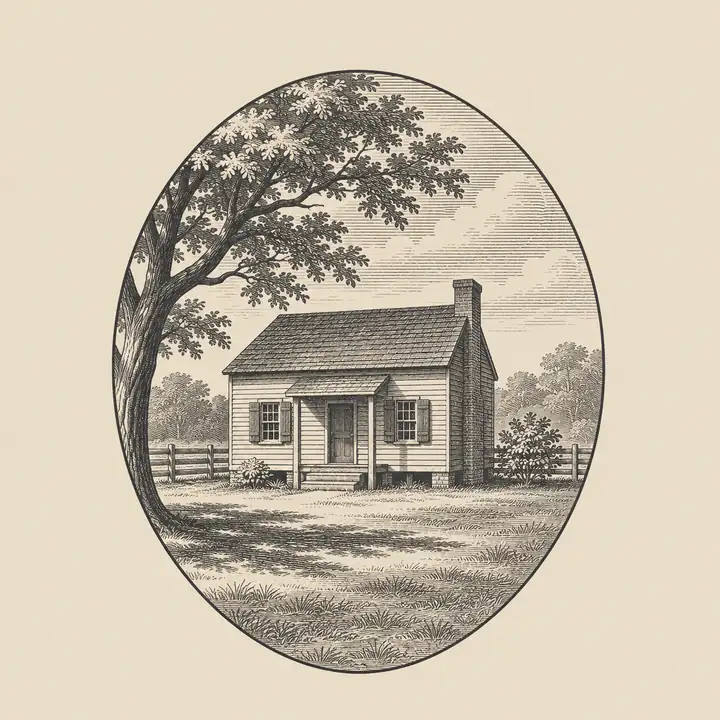
How it begins
I was born a slave; but I never knew it till six years of happy childhood had passed away. My father was a carpenter, and considered so intelligent and skilful in his trade, that, when buildings out of the common line were to be erected, he was sent for from long distances, to be head workman.
Chapter 1: ChildhoodKeep reading →
Summary
Spoiler-free
Linda grows up loved by her family, learning at six that she is enslaved. Her first mistress dies without freeing her, leaving her to a child in the Flint family. In Dr. Flint’s household, Linda experiences cruelty and, from adolescence, persistent sexual harassment. She wants freedom, protection from Flint, and a secure future for her children, against a system that makes them property and gives her no legal defense.
Full summary
Spoilers
Linda grows up loved by her family, learning at six that she is enslaved. Her first mistress dies without freeing her, leaving her to a child in the Flint family. In Dr. Flint’s household, Linda experiences cruelty and, from adolescence, persistent sexual harassment. She wants freedom, protection from Flint, and a secure future for her children, against a system that makes them property and gives her no legal defense.
Flint prevents Linda from marrying a free Black carpenter and plans to isolate her in a secluded house. Seeking to defeat his plans, Linda becomes involved with Mr. Sands and bears two children, Benny and Ellen. Her grandmother initially condemns her but responds tenderly after hearing about Flint’s persecution. Motherhood strengthens Linda’s determination to escape, while giving Flint new means to threaten her. Alongside her own experience, Linda describes family separations, torture, sexual exploitation, racist violence, and churches that justify slavery.
When the Flints plan to bring both children to their plantation, Linda escapes and hides nearby. Flint searches for her and sells William, her brother, and her children to a trader secretly acting for Sands. The children return to their grandmother, but Sands’s purchase does not secure their emancipation.
Linda spends nearly seven years concealed in a tiny garret above her grandmother’s storeroom. She watches her children through a small opening while suffering darkness, extreme temperatures, illness, and increasing physical disability. Relatives sustain her and protect her secret. Letters sent through northern contacts convince Flint that she has escaped north. William escapes from Sands rather than wait for promised freedom. Ellen is sent to Sands’s cousin in Brooklyn, where she works as a waiting maid. Aunt Nancy dies after years of mistreatment by the Flints.
Linda finally leaves the garret and escapes by ship to Philadelphia, then travels to New York. She finds Ellen neglected and discovers that Sands has not fulfilled his promises. Working as a nurse for Mrs. Bruce, Linda receives kindness and protection but remains vulnerable to capture. She eventually brings Ellen to Boston, supports her children by sewing, and prepares Ellen for school. After Mrs. Bruce dies, Linda accompanies her daughter Mary to England, where she experiences relief from American racial prejudice.
Back in America, Linda learns that Benny has abandoned an apprenticeship because of racist abuse and sailed on a whaling voyage. Ellen goes to boarding school with William’s support, after assuring Linda of her love. William’s antislavery reading room fails, and he decides to go to California with Benjamin. Linda returns to nursing in the Bruce household. The Fugitive Slave Law intensifies her danger, forcing further periods of hiding with help from the second Mrs. Bruce.
The climax comes after Dr. Flint dies: his heirs still claim Linda, and Mrs. Bruce pays three hundred dollars to secure her legal freedom. Linda feels gratitude toward her benefactor and bitterness that her freedom has been bought. She ends legally free, but the account supplies no later outcome for Benny’s voyage, Ellen’s schooling, or William and Benjamin’s California plans. Her grandmother’s loving letters sustain her near the close; Aunt Nancy and Dr. Flint are dead. Testimonials from Amy Post and George W. Lowther affirm Linda’s character and the truth of her account.
The ending
Dr. Flint dies, but his heirs continue to threaten Linda with enslavement. The second Mrs. Bruce pays three hundred dollars to secure Linda’s legal freedom, leaving Linda grateful for her help and bitter at being sold as property. The account closes with testimonials from Amy Post and George W. Lowther affirming her character and truthfulness.
The Incidents in the Life of a Slave Girl, Written by Herself guide →
About the book
Contents
- Chapter 1: Childhood
- Chapter 2: The New Master And Mistress
- Chapter 3: The Slaves’ New Year’s Day
- Chapter 4: The Slave Who Dared To Feel Like A Man
- Chapter 5: The Trials Of Girlhood
- Chapter 6: The Jealous Mistress
- Chapter 7: The Lover
- Chapter 8: What Slaves Are Taught To Think Of The North
- Chapter 9: Sketches Of Neighboring Slaveholders
- Chapter 10: A Perilous Passage In The Slave Girl’s Life
- Chapter 11: The New Tie To Life
- Chapter 12: Fear Of Insurrection
- Chapter 13: The Church And Slavery
- Chapter 14: Another Link To Life
- Chapter 15: Continued Persecutions
- Chapter 16: Scenes At The Plantation
- Chapter 17: The Flight
- Chapter 18: Months Of Peril
- Chapter 19: The Children Sold
- Chapter 20: New Perils
- Chapter 21: The Loophole Of Retreat
- Chapter 22: Christmas Festivities
- Chapter 23: Still In Prison
- Chapter 24: The Candidate For Congress
- Chapter 25: Competition In Cunning
- Chapter 26: Important Era In My Brother’s Life
- Chapter 27: New Destination For The Children
- Chapter 28: Aunt Nancy
- Chapter 29: Preparations For Escape
- Chapter 30: Northward Bound
- Chapter 31: Incidents In Philadelphia
- Chapter 32: The Meeting Of Mother And Daughter
- Chapter 33: A Home Found
- Chapter 34: The Old Enemy Again
- Chapter 35: Prejudice Against Color
- Chapter 36: The Hairbreadth Escape
- Chapter 37: A Visit To England
- Chapter 38: Renewed Invitations To Go South
- Chapter 39: The Confession
- Chapter 40: The Fugitive Slave Law
- Chapter 41: Free At Last
More from Lives and memoirs
- The Autobiography of Benjamin FranklinBenjamin Franklin writes an account of his life for his son, seeking to explain his rise from poverty to wealth and reputation and preserve lessons others may find…
- Behind the ScenesElizabeth Keckley recounts her life from enslavement in Virginia to freedom as a successful dressmaker and confidante of Mary Lincoln.
- Up from SlaveryBorn enslaved on a Virginia plantation, Booker T. Washington seeks an education and a way to help other Black Americans achieve lasting independence.
- Wonderful Adventures of Mrs. Seacole in Many LandsMary Seacole supports herself through nursing and trade while seeking opportunities to travel and help the sick.

Text from Project Gutenberg.